
Omega-3 and polyunsaturated fatty acids


Omega-3 Complex from Bodyperson Labs - 90 soft gelatin capsules with concentrated fish oil. A source..
663 UAH

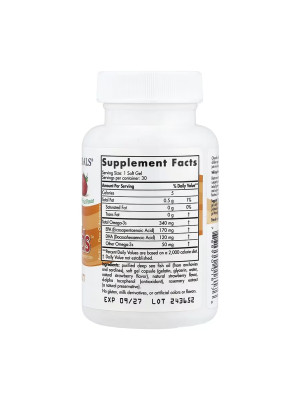
Daily Omega Kids is a specially formulated supplement for children that contains all the essential o..
985 UAH


KAL's Omega-3-6-9 Complex combines three sources of unsaturated fatty acids in one softgel: molecula..
1,853 UAH


Life Extension's Super Omega-3 is a concentrated, IFOS 5-star certified fish oil with added olive ex..
1,798 UAH


Concentrated IFOS 5-star certified fish oil combined with olive polyphenols and sesame lignans - a f..
2,002 UAH


Fish oil with two key omega-3 fatty acids - EPA and DHA - in enteric-coated capsules. The formula is..
3,517 UAH


A comprehensive omega-3 supplement from Life Extension in softgel format - 120 pieces per course. Co..
4,142 UAH


Maximum Strength Triple Omega 3 6 9 is a combination of fish, flaxseed and hogweed oils that provide..
1,382 UAH


Children's Omega-3 in a cherry-flavored chewable tablet format is an option for parents looking for ..
1,810 UAH


Children's bodies need several minerals and vitamins at once to build bone and muscle - and not all ..
1,499 UAH


Now Foods Omega-3 1000mg - comprehensive support for the cardiovascular system Now Foods Omega-3 100..
1,663 UAH


Now Foods Omega-3 1000 mg is a fish oil-based dietary supplement high in essential omega-3 fatty aci..
386 UAH


Fish oil in softgel capsules - each containing 1000 mg of omega-3 fatty acid concentrate from cold-w..
900 UAH

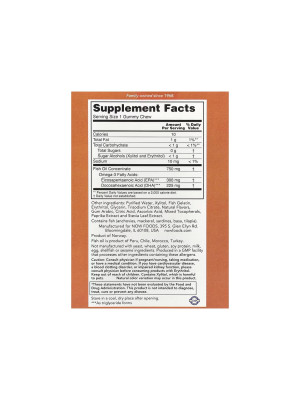
Omega-3 fatty acids EPA and DHA in chewable gummies from Now Foods are an option for those looking f..
1,385 UAH


Daily cardiovascular support from multiple directions at once - this is the approach laid down in th..
4,162 UAH

What are omega-3 and polyunsaturated fatty acids?
Omega-3s are a type of polyunsaturated fatty acid that includes alpha-linolenic acid (ALA), eicosapentaenoic acid (EPA), and docosahexaenoic acid (DHA). They support the normal functioning of the cardiovascular system, brain, and immune system.
Polyunsaturated fatty acids generally include omega-3 and omega-6, which have different functions in the body. A balance between them is important for preventing inflammation and maintaining health.
Who is omega-3 and PUFA suitable for?
Omega-3s are recommended for a wide range of people, especially those with increased stress on the heart, brain, or immune system. They are beneficial for:
- maintaining the health of the cardiovascular system;
- improving cognitive functions and memory;
- reducing inflammation;
- maintaining healthy skin and joints;
- supporting normal development in children and pregnant women.
Sources of omega-3 and PUFAs
The main sources of omega-3s are fatty fish such as salmon, mackerel, and sardines, as well as some plant foods such as flaxseed, chia, walnuts, and canola oil. Plant sources are mostly rich in ALA, while seafood is rich in EPA and DHA.
For those who do not consume enough of these foods, nutritional supplements can be an alternative to maintain fatty acid balance.
How to choose omega-3 and PUFAs in CBDUA
When choosing omega-3, it is important to pay attention to the quality of the product, the concentration of EPA and DHA, as well as the form of release (capsules, liquid). The CBDUA online store presents certified products with clear dosage and quality control.
It is recommended to choose products with high bioavailability and without impurities. Consulting with a doctor will help determine the optimal dosage.

Types of omega-3 foods
There are different forms of omega-3 on the market: fish oil capsules, liquid forms, and vegan alternatives based on algae. Each type has its own characteristics in terms of absorption and ease of use.
The choice depends on personal preferences, dietary restrictions, and specialist recommendations.
Storage and conditions of use
Omega-3 and PUFAs should be stored in a cool, dark place, protected from moisture. Following the manufacturer's recommendations for expiration dates and storage conditions will ensure the preservation of beneficial properties.
After opening the package, it is recommended to use the product within the specified period to maintain quality.
Security and restrictions
It is recommended to consult a doctor before starting to take omega-3, especially if you have chronic diseases or are taking medications. Excessive use can cause side effects, so it is important to stick to the recommended doses.
The information provided in the description is not medical advice and does not replace consulting a specialist.
The impact of omega-3 on heart health
Some users note that omega-3s can help maintain normal cholesterol and triglyceride levels in the blood. This is important for maintaining cardiovascular health, especially in people at increased risk of heart disease.
Regular consumption of omega-3 can be part of a balanced diet that supports the functioning of the heart and blood vessels.

The role of omega-3 in supporting brain function
Some research suggests that omega-3s may be beneficial for supporting cognitive function, particularly memory and concentration. DHA is an important component of brain cell membranes.
Consuming omega-3s can be part of a healthy lifestyle that helps maintain mental alertness.
Effect on skin and hair condition
Omega-3s are often used to support skin health as they can help keep skin hydrated and supple. Some users report improved hair condition with regular use of these fatty acids.
This can be useful for those who care about their appearance and overall skin condition.
Features of using vegan omega-3
For people following a vegan or vegetarian lifestyle, algae-based omega-3s are available. They contain EPA and DHA, making them an alternative to fish oil.
Choosing such products helps maintain a balance of fatty acids without using animal products.
Tips for integrating omega-3 into your diet
Omega-3 can be added to the diet through foods or supplements. It is important to follow the recommended doses and take into account the individual characteristics of the body.
A balanced diet that includes a variety of sources of fatty acids promotes overall health.