
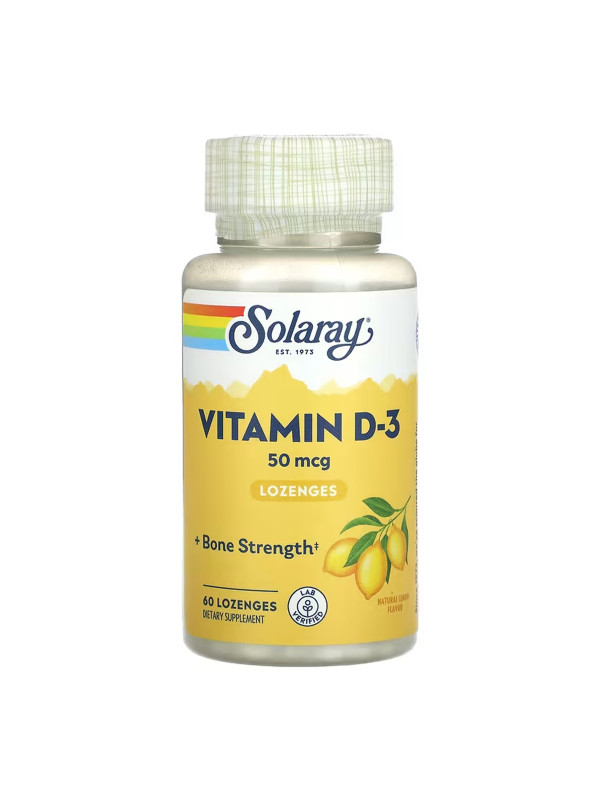
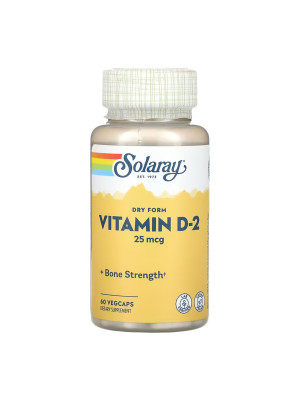
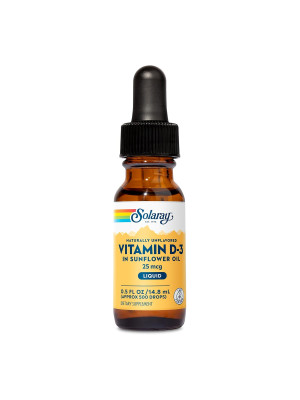
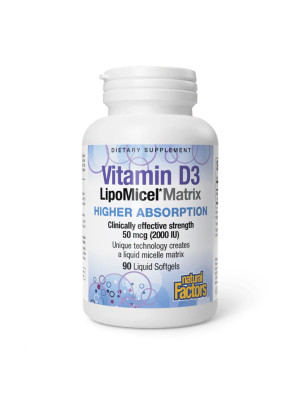
Lemon-flavored lozenges are a format that combines dosage and convenience in one tablet: each contains 50 mcg (2000 IU) of Solaray cholecalciferol. Suitable for those looking for a daily source of vitamin D3 without the hassle of swallowing hard capsules.
What does one Solaray Vitamin D-3 lozenge contain?
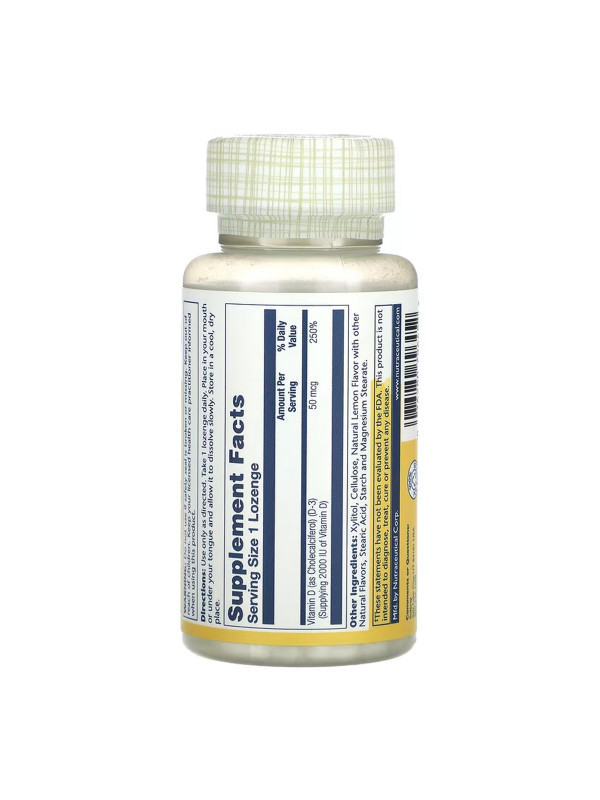
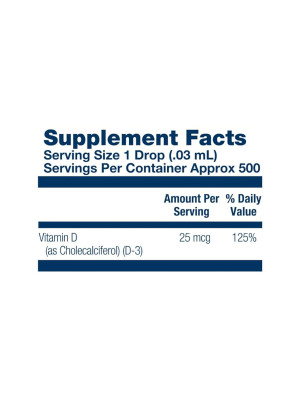
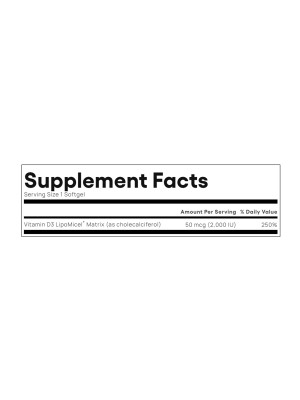
One lozenge contains 50 mcg of vitamin D3 - that's 2000 IU of cholecalciferol, the form that the body synthesizes when exposed to sunlight. That's why vitamin D3 is often called the "sunshine vitamin."
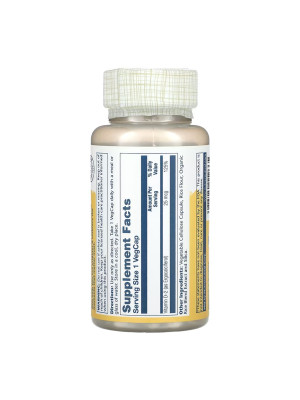
Auxiliary components: xylitol, cellulose, natural lemon flavor with other natural flavors, stearic acid, starch, magnesium stearate. Sweetened with xylitol - sugar free.
How to take vitamin d3?
Vitamin D3 supports the absorption of calcium and phosphate - minerals that are necessary for the normal condition of bones, teeth and muscles. It is often included in the daily diet in the fall and winter, when natural production under the influence of the sun is significantly reduced.
The 2000 IU (50 mcg) dosage is one of the most common formats found in most adult daily intake recommendations. If you need a higher dose - 4000 or 5000 IU - you should consider other forms in the range or consult your doctor before adjusting your dosage.
How to take Solaray D-3 lozenges
The manufacturer recommends: 1 lozenge per day. Place it in your mouth or under your tongue and let it dissolve slowly - no need to swallow. This method of administration is convenient for those who have difficulty swallowing capsules, and also simply as an alternative to the usual tablets.
How many servings in a jar and how to store
The package contains 60 lozenges - with daily use, one jar is designed for two months. Store in a cool, dry place, avoid moisture and direct sunlight.
Who is the lozenge format suitable for?
The lozenge format, which dissolves in the mouth, is convenient for adults who avoid large capsules or simply prefer a more pleasant way of taking it. The lemon flavor is neutral and unobtrusive. Suitable for daily use as part of a balanced diet.
Vitamin D3 is fat-soluble - some people take it with food containing fat for better absorption. At the same time, a number of formats (including lozenges) are positioned by manufacturers as not requiring mandatory intake with food - be guided by the recommendations of a doctor or the manufacturer's instructions.
How is vitamin D3 different from D2?
D3 (cholecalciferol) is the animal-derived form that the human body synthesizes when exposed to ultraviolet light. D2 (ergocalciferol) is the plant-based form often chosen by vegetarians. Most studies have shown that D3 is more effective at maintaining blood 25(OH)D levels at equivalent doses, which is why cholecalciferol is the most common form in modern supplements.
Solaray Vitamin D-3 Pastes are available in the CBDUA store at cbdua.org - shipping worldwide.